

Holiday padel rises or falls on the quality of the matches that guests can actually play. Courts on the property help, but the real magic lies behind having the right balance, variety, and logistics. This editorial piece explores how padel hotels can design great games for their guests using simple systems.
At PadelxChill we shape editorials to be practical for travellers and useful for properties. The focus here is the human layer that technology cannot fully replace, especially when four players are required for play.

Well-run padel hotels start with intelligent player matching. Apps can suggest approximate standards, yet the human eye, plus a few minutes of rallying, still reads touch, movement, and temperament with cool accuracy. A resident organiser or coach can quickly place guests into compatible fours, then rotate pairings to keep the match fair or fresh.
Make it super easy to opt in is always a sure way to start. At check-in and on the property’s messaging channel, guests should be invited to share their level, preferred times, and openness to social sets. Of course, this relies on the property having a sports manager that will take the time to coordinate the guest experience. Offering a light assessment on day one, ideally early evening, and create a rolling schedule with 24–48 hour visibility so players can plan meals, visit the other amenities and any activities outside of the hotel.
Protect availability for visiting players is also key. Instead of filling every slot far in advance with local players, we suggest ring-fencing a portion of peak windows for in-house guests. Locals could simply see later release times for those courts, which would maintain flexibility. The result is a steady pipeline of good matches.
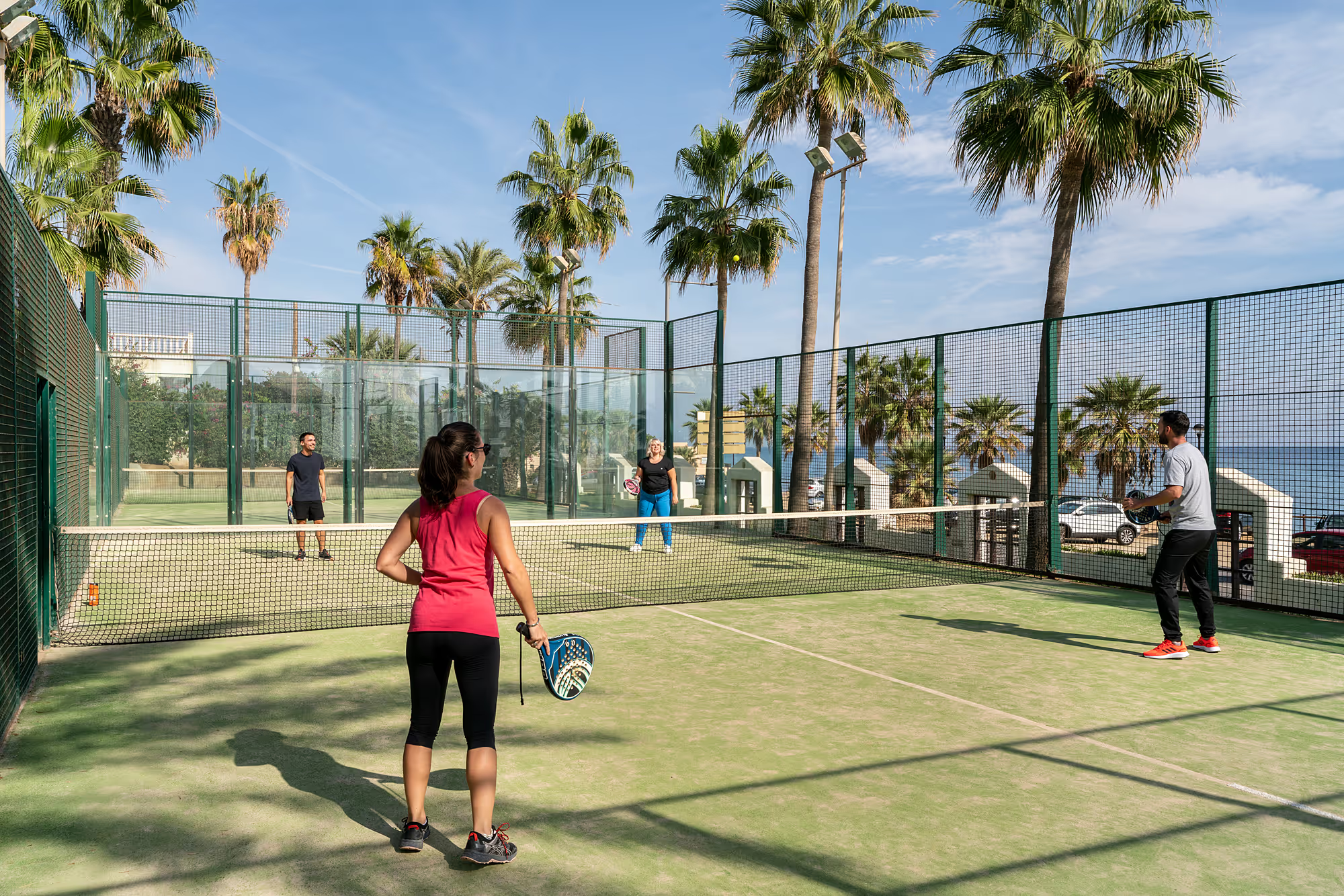
Local players are the quiet superpower of padel hotels and they should not be overlooked. A small, curated pool of regulars transforms odd numbers into full courts and brings regional flavour. Invite them via a simple channel, for example a WhatsApp list managed by the coach, and offer discounted last-minute matches when guest demand appears within 24 hours.
Clarity keeps this sustainable. Publish a weekly outline with anchor sessions, for example “Tuesday socials 18:00, Thursday drills 09:00, Saturday mixed match play 17:00.” Properties with multiple courts could hold back select courts for guest-first allocation, then release to locals at a set cut-off. Everyone understands the rules, and the system feels fair.
The property team could be trained to spot these opportunities. Reception, concierge, and F&B staff can encourage sign-ups when guests mention tennis or racket sports. The coach then steps in to act as a matchmaker, tests standards gently, and introduces people by name courtside. It is simple hospitality applied to sport, and it turns a facility into a living social space.
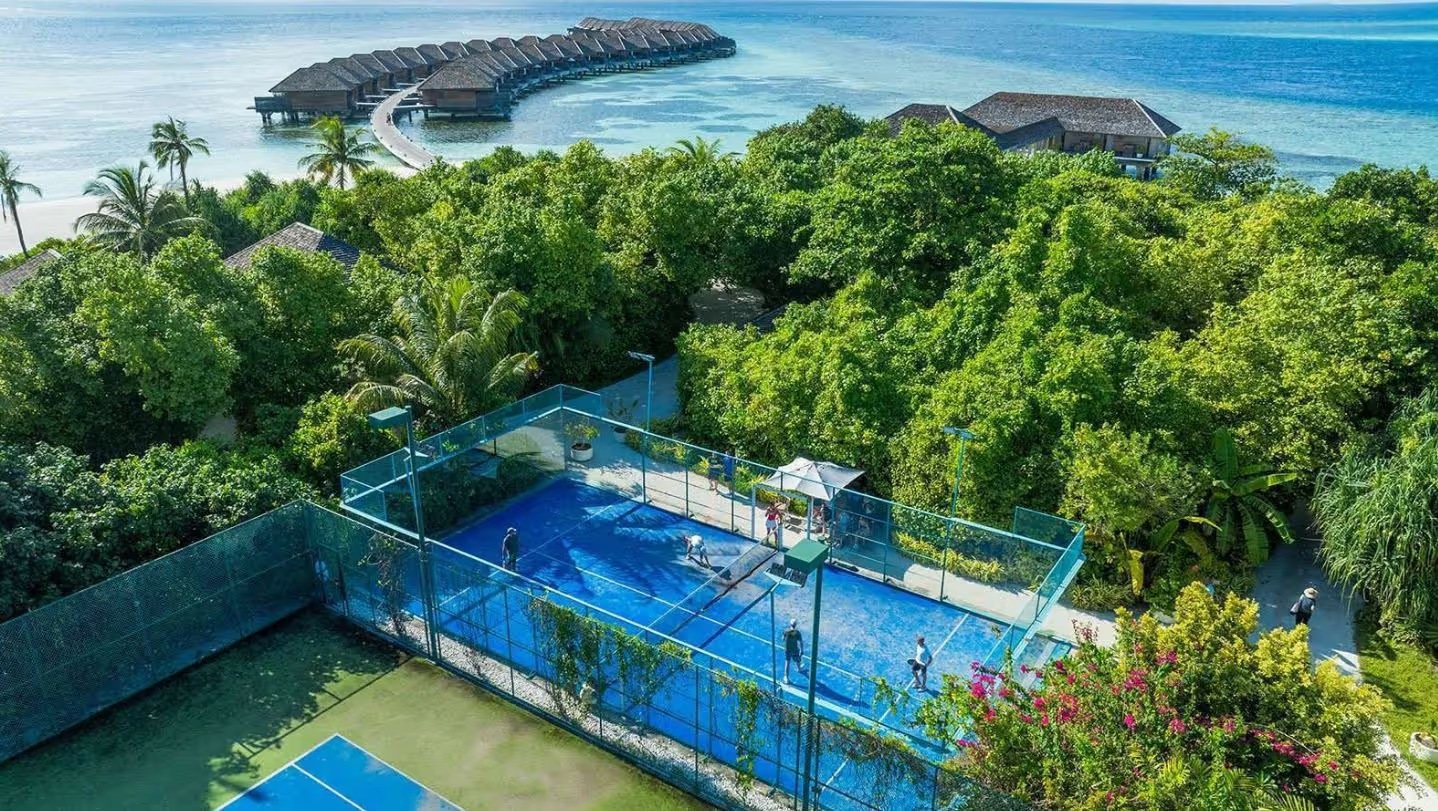
Design the daily flow like a mini timetable. Morning play suits focus and cooler temperatures, while golden-hour sets stack nicely before dinner. For padel hotels, a 90 minute block works best.
Data helps too. Track which slots fill fastest, which levels mix best, and which formats keep guests returning. Use that to tune court holds and local call-ups. Keep communication light and friendly, for example a nightly message summarising the next day’s availability and two or three open matches that need one or two players.
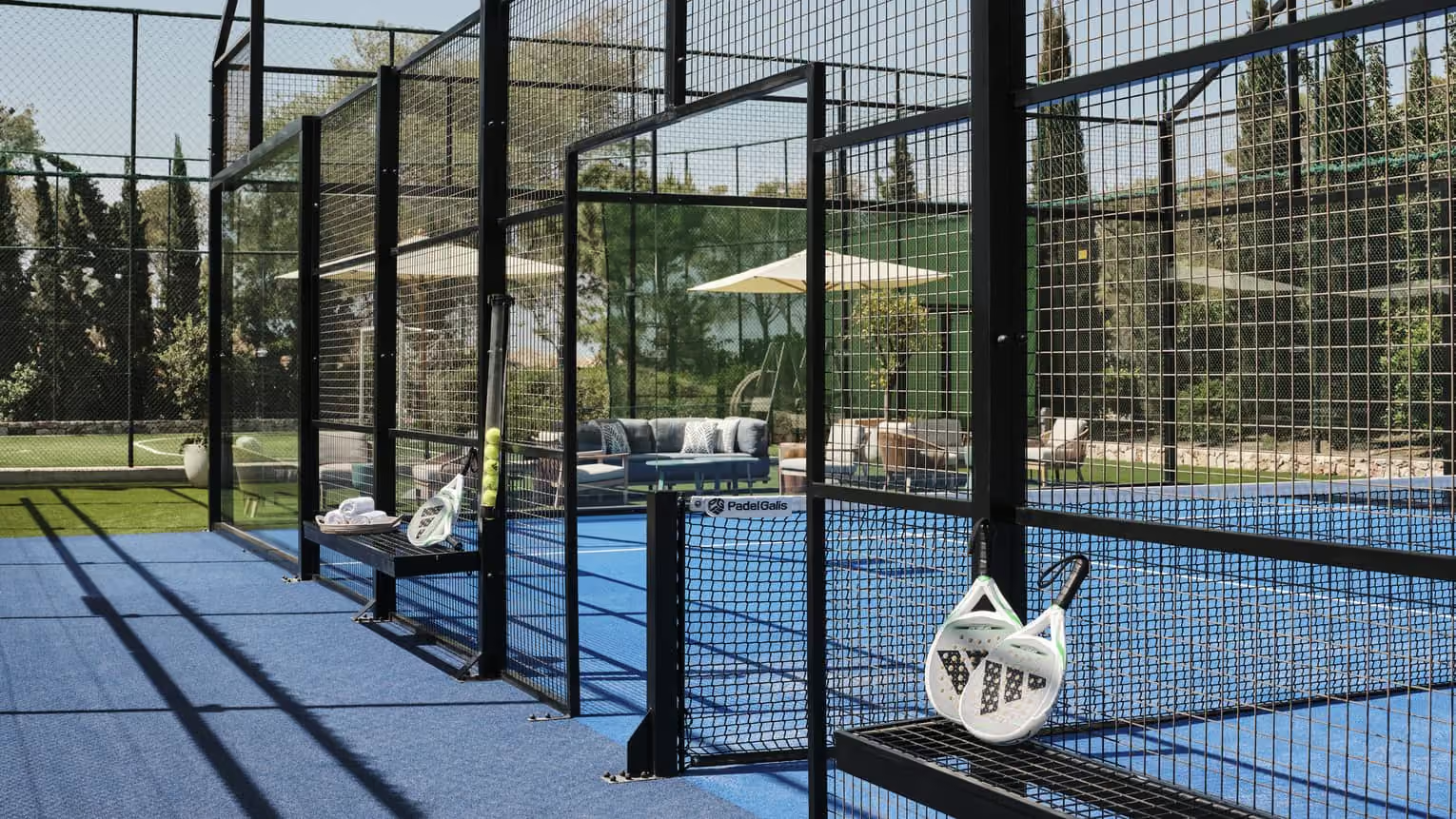
Finally, make it feel designed. Clear signage at the courts, water and shade close by, spare balls and grips available to buy, and a shaded waiting corner where players meet their fours. Small, thoughtful touches can go a long way towards adding that quality feeling. Guests remember the ease as much as the rallies, and they are more likely to book the same property again.
Conclusion
Padel hotels thrive when they design for people. Keep access guest-first, then weave in local players to stabilise numbers and add character. A coach or organiser reads standards, curates fours, and keeps the schedule flowing. Routine messages, small amenities, and clear rules do the rest.
For travellers, this means reliable and enjoyable games. For properties, it means real community, stronger reviews, and better use of an asset that already sits on site. Done well, the court becomes a social anchor for the stay, and guests start planning their return before checkout.
Other Editorial
Play. Stay. Repeat.
